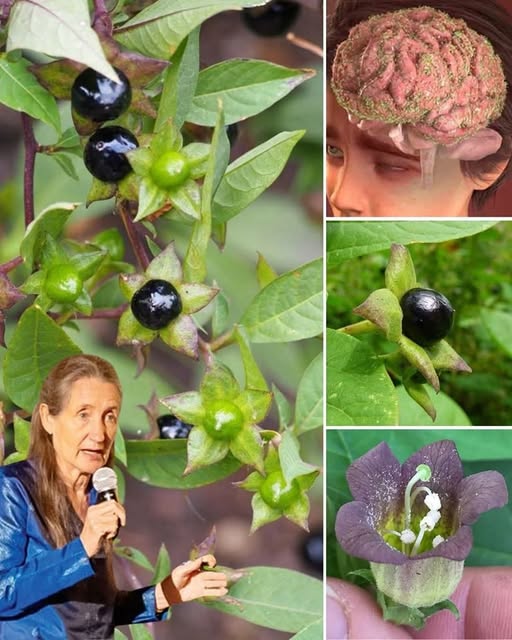
Deadly Nightshade (Atropa belladonna) is one of the most infamous plants in history. Known for its toxic properties and historical uses in medicine, witchcraft, and even assassinations, this plant carries a dark and fascinating legacy. Despite its dangers, Deadly Nightshade has also been used for medicinal purposes, making it one of the most mysterious plants in the botanical world
The History of Deadly Nightshade
The history of Deadly Nightshade is filled with intrigue, danger, and mystery. Ancient civilizations, including the Greeks and Romans, used it for its anesthetic and sedative properties. In the Middle Ages, it was associated with witches and potions, while during the Renaissance, women used it to dilate their pupils, giving it the name “Belladonna” (meaning “beautiful woman” in Italian).
Identifying Deadly Nightshade
Deadly Nightshade is a perennial plant that thrives in woodlands and shady areas. It can be identified by:
Glossy, dark green leaves – Oval-shaped and smooth-edged.
Bell-shaped flowers – Purplish-brown, appearing in summer.
Shiny black berries – Highly toxic, resembling small cherries.
Thick, branched stems – Often growing up to 5 feet tall.
The Toxicity of Deadly Nightshade
Deadly Nightshade contains powerful alkaloids, including:
Atropine – Affects the nervous system, causing hallucinations and paralysis.
Scopolamine – Used in medicine but dangerous in high doses.
Hyoscyamine – Can cause convulsions, coma, and even death.
Symptoms of poisoning include:
Dilated pupils and blurred vision