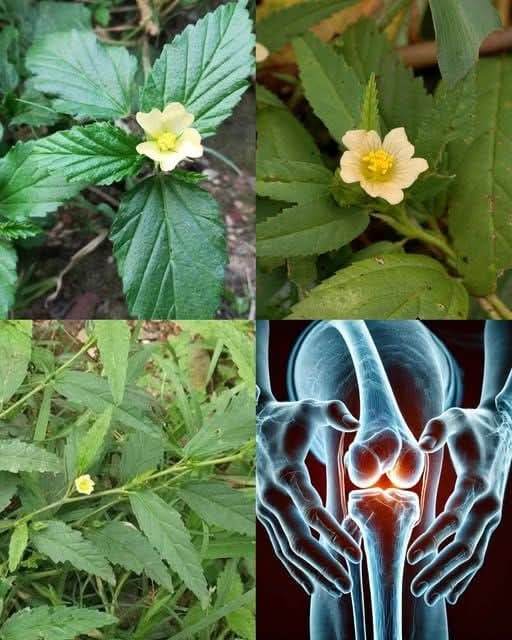
Sida acuta, often labeled as “common wireweed,” is more than just an invasive shrub—it’s a powerhouse of potential health benefits. Known in traditional medicine for various uses, this resilient plant has a fascinating range of properties that make it valuable for home remedies. While commonly found in fields and along roadsides, Sida acuta has gained attention for its effectiveness in natural wellness practices. Let’s explore the health benefits and practical ways to use this incredible plant.
Health Benefits of Sida acuta 🌿
Anti-Inflammatory Properties
Sida acuta is known for its potential to reduce inflammation, making it useful for alleviating pain and swelling associated with conditions like arthritis or muscle soreness. Its compounds may naturally ease discomfort, offering a plant-based alternative to synthetic anti-inflammatories.
Antibacterial and Antimicrobial Action
Studies have shown that Sida acuta contains components that can inhibit certain bacteria and microbes. This makes it a powerful choice in traditional medicine for treating infections, particularly skin infections and minor cuts.
Antioxidant Power
Sida acuta is rich in antioxidants, which can neutralize harmful free radicals. These antioxidants may help protect cells from damage, reducing oxidative stress and potentially lowering the risk of chronic diseases.
Immune System Support
Sida acuta has shown immunomodulatory effects, meaning it can help support and balance the immune system. This may be useful for enhancing the body’s natural defenses, especially during illness.
Pain Relief
Used as an analgesic in some traditional practices, Sida acuta has shown potential in managing minor aches and pains. Some people apply it topically or use it in teas to soothe headaches, joint pain, and other mild discomforts.
Wound Healing
The leaves and stems are often applied directly to minor cuts and scrapes to speed up healing. This use has been supported by the plant’s antibacterial properties, which help protect wounds from infection.