Grape Hyacinth (Muscari): A Tiny Spring Wonder with Surprising Benefits and Uses

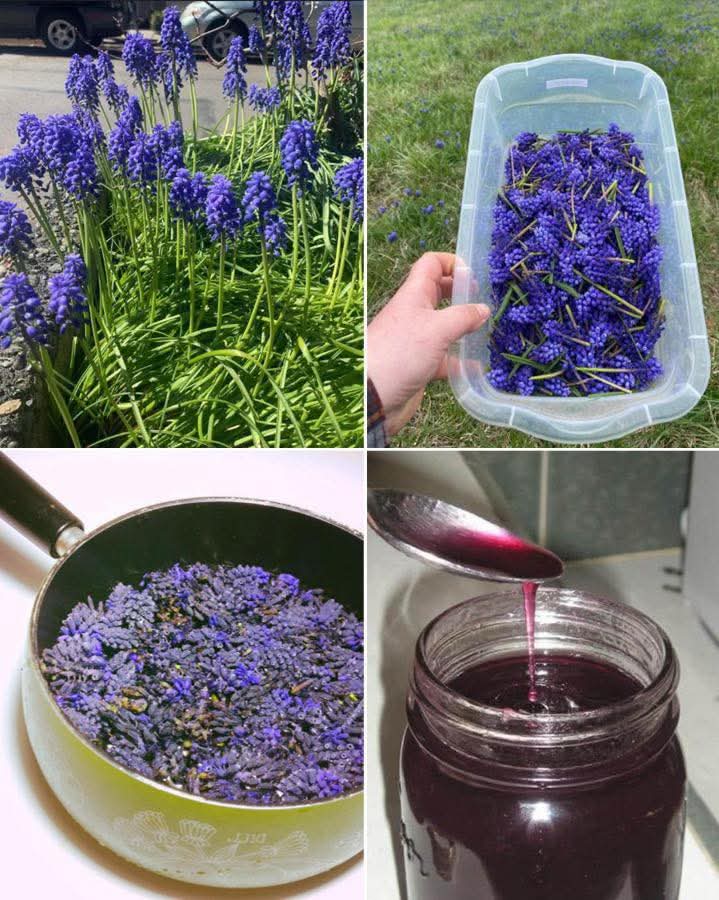
In Greek and Italian rural areas, these were sometimes used as part of spring detox routines.
3.Mild Anti-inflammatory Effects
Some early herbalists claimed the plant had soothing effects on inflammation, especially when made into infusions or poultices.
Ornamental and Ecological Benefits
4.Pollinator-Friendly
Grape hyacinths bloom early in spring, making them one of the first food sources for bees and other pollinators.
Planting them supports local ecosystems and improves biodiversity in your garden.
5.Natural Ground Cover
These plants spread easily and are perfect for creating a dense, low-growing floral carpet that suppresses weeds naturally.
Their bulbs are hardy and low-maintenance, thriving even in poor soils.
While Muscari comosum bulbs have been used in traditional Mediterranean cuisine (often pickled or sautéed), not all grape hyacinths are edible.
It’s essential to identify the species correctly and never consume ornamental hybrids or flowers from chemically treated gardens.
Always consult a reliable field guide or herbalist before using any wild plant for consumption.
How to Use It at Home
As a Garden Ally:
Plant grape hyacinths under trees, between stepping stones, or along borders.
Combine them with tulips or daffodils for a layered springtime bloom.
As a Natural Dye:
The vibrant blue pigment from the flowers can be used to dye cloth, wool, or paper (though it’s not very colorfast without fixatives).
As a Symbol of Renewal:
In flower symbolism, grape hyacinths represent rebirth, trust, and sincerity — a lovely addition to spring rituals or bouquets.
The grape hyacinth may be small, but it carries a legacy of beauty, healing, and ecological importance. Whether you admire it for its charming appearance or explore its lesser-known herbal uses, Muscari is a spring treasure worth planting — and knowing.