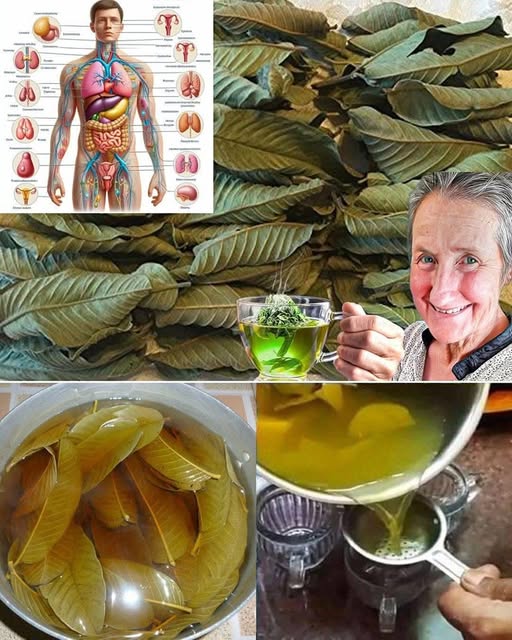
Guava leaves, scientifically known as Psidium guajava, are not just a byproduct of the popular fruit; they are a treasure trove of health benefits. Packed with antioxidants, anti-inflammatory properties, and vital vitamins, these versatile leaves have been used for centuries to promote overall health and well-being. From improving digestion to boosting skin health, guava leaves offer a natural solution to many common health concerns. This comprehensive guide will teach you how to obtain, prepare, and store guava leaves to harness their full potential.
1. How to Get Guava Leaves
Guava leaves are widely accessible, and there are several ways to source them, whether you choose to grow them yourself, forage in the wild, or buy them from trusted suppliers.
A. Grow Your Own Guava Plant
One of the most rewarding ways to get fresh guava leaves is by growing your own guava tree. Guava plants thrive in warm climates, but they are also relatively easy to grow indoors as long as they have access to plenty of sunlight. By cultivating your own guava plant, you ensure a consistent supply of fresh, pesticide-free leaves all year round, making it an excellent option for regular use in tea and other remedies.
B. Foraging for Wild Guava Leaves
If you live in a region where guava trees are abundant, foraging for fresh leaves can be a viable option. Look for young, vibrant green leaves, as they are packed with the most nutrients. Avoid leaves that are yellowing or spotted, as these may be signs of damage or disease. Ensure you pick leaves from trees that are free from pesticides and other chemicals for optimal health benefits.